
Cable snake skin protection: Kácsa Audió’s guide to organized audio systems
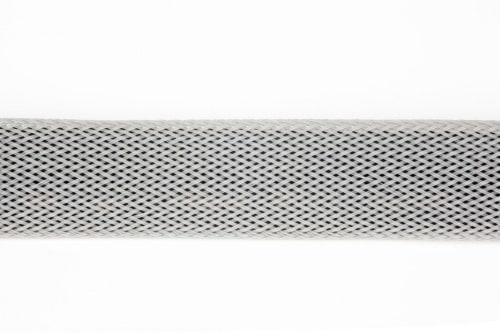
Discover why cable snake skin is essential for protecting your audio setup. Learn how braided sleeves preserve cables and keep your system organized and professional-looking.
Why Cable Snake Skin Is the Unsung Hero of a Clean and Protected Audio Setup
Behind every well-organized audio system, there is often an overlooked component doing quiet but essential work. Flexible cable snake skin is a braided, expandable sleeve that wraps around individual cables or cable bundles, shielding them from physical wear, dust, and accidental damage. Unlike rigid conduits or basic zip ties, this type of sleeve moves with the cable — flexing without cracking and compressing without losing its form. The result is a setup that stays tidy, looks intentional, and lasts significantly longer under real-world conditions.
The protection offered by a braided mesh sleeve extends well beyond aesthetics. Repeated bending, UV exposure, and contact with sharp edges are among the leading causes of cable degradation in both home and professional audio environments. A well-fitted sleeve adds a measurable layer of resistance against these factors, which is especially relevant for custom-built headphone cables or speaker wiring that undergoes frequent handling. Audiophiles who invest in quality cabling know that preserving the outer jacket is just as important as the conductor inside.
How Kácsa Audió Helps You Find the Perfect Cable Snake Skin Solution for Your System
Kácsa Audió is a Budapest-based specialist retailer that goes beyond simply stocking cable accessories — their team provides hands-on guidance, assembly, and testing services as part of the purchasing experience. This makes a genuine difference when navigating a product category with over 30 variants, each designed for a specific diameter range and use case. Their approach treats every customer inquiry as a configuration challenge, not just a transaction.
One particularly notable aspect of their service model is the option to test assembled cables at home, in your own system, before committing to a purchase. This kind of real-world evaluation removes much of the uncertainty that comes with custom audio builds, where components interact in ways that are difficult to predict on paper. The team draws on both technical knowledge and ongoing customer feedback to refine their recommendations. For anyone building or upgrading a DIY audio setup, that combination of expertise and practical trialing is a meaningful advantage.
Choosing the Right Cable Snake Skin: Key Factors Every Audiophile Should Consider
The most critical specification when selecting a cable snake skin sleeve is the diameter range. Products in this category accommodate a span of cable outer diameters — a sleeve rated for 5–14 mm will contract and expand within those limits, but will bunch or slip outside them. Matching the sleeve to the actual cable diameter ensures a snug fit that stays in place during use and provides uniform coverage. Most manufacturers publish both minimum and maximum diameter ratings, so a quick measurement before ordering will save considerable time.
Material choice also shapes the long-term experience in practical ways. Nylon mesh sleeves tend to be lightweight and highly flexible, making them a reliable option for earphone and headphone cables that are coiled and uncoiled regularly. Polyester braided versions offer slightly more rigidity and are often preferred for heavier speaker or interconnect cables where shape retention matters more than pliability. Color and pattern options — from solid black or white to striped and bicolor designs — allow builders to match or contrast with existing equipment, which matters more than it might seem in a carefully assembled listening space.
The Future of Cable Management: Trends Shaping the Way We Use Cable Snake Skin
The DIY audio community has grown considerably in recent years, driven by wider access to quality components and a growing preference for custom-built gear over off-the-shelf solutions. As more listeners choose to build their own headphone cables, speaker wiring, and interconnects, the demand for finishing materials has increased alongside it. Braided sleeving, in particular, has moved from an afterthought to a standard part of the build process for many enthusiasts. This shift reflects a broader understanding that cable management affects not only appearance but also longevity and signal integrity.
Within this context, the range of available cable snake skin products has expanded to cover an increasingly wide spectrum of cable sizes and aesthetic preferences. Sleeves now come in sizes spanning from under 1 mm up to 35 mm in outer diameter, accommodating everything from delicate earphone wiring to thick amplifier power cables. Innovations in weave density and material composition mean that modern sleeving can deliver better abrasion resistance without sacrificing flexibility. As audio systems become more elaborate and space-conscious, reliable cable management will remain a foundational element of any well-considered setup.
